
At Sport in Action, every success story reminds us why we do what we do.…
From Partnership to Impact: The Duchess of Edinburgh Visits Sport In Action’s Maramba Hub-site
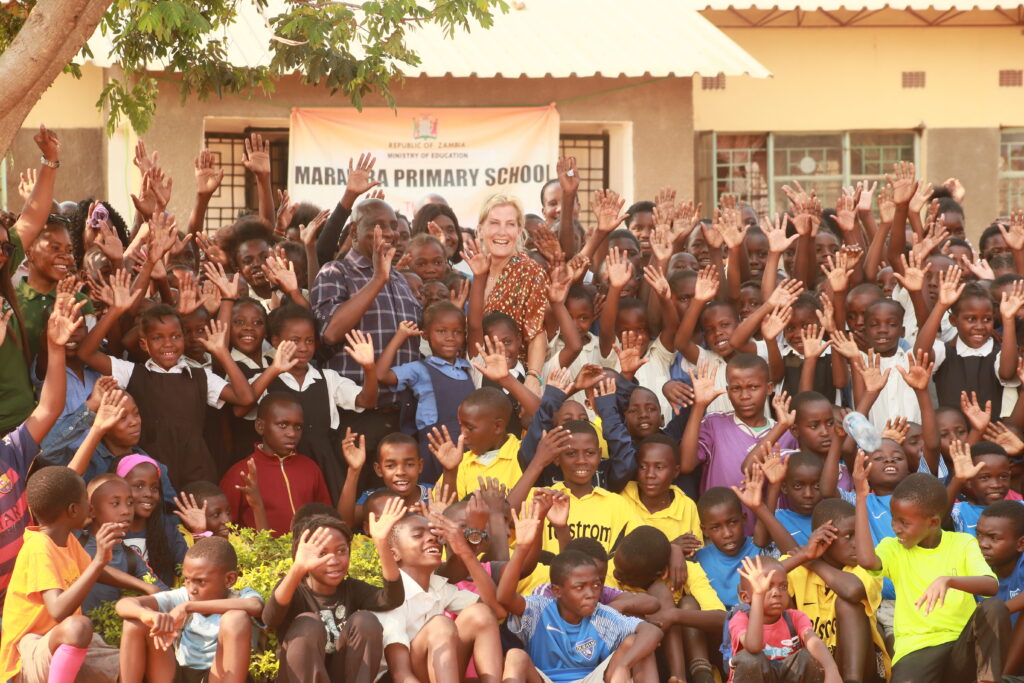
Livingstone, Zambia | September 2026
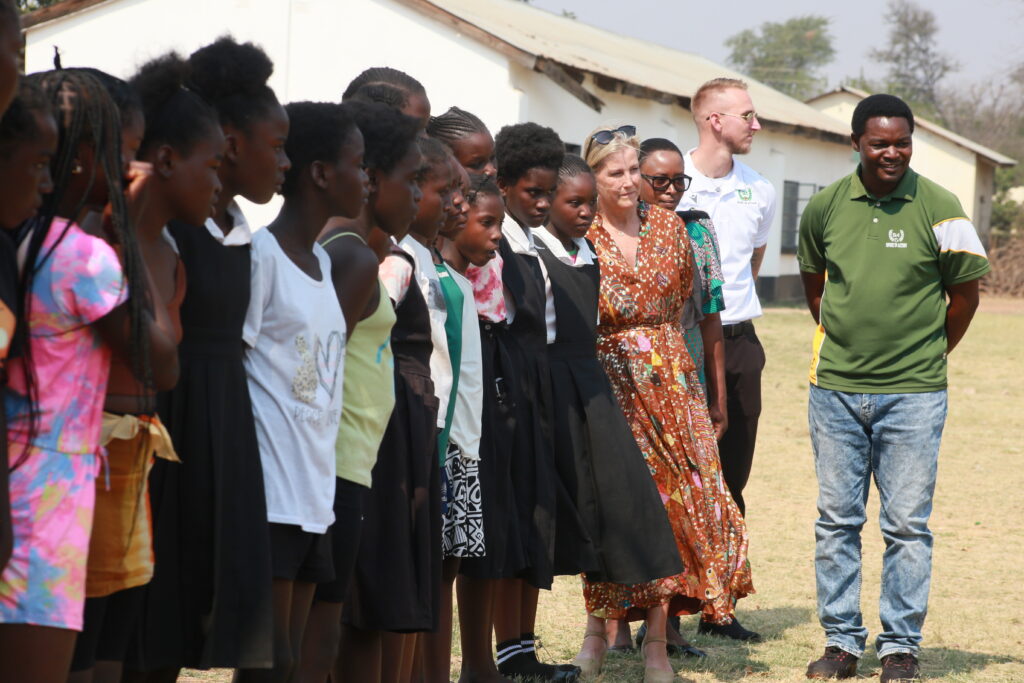
When Her Royal Highness The Duchess of Edinburgh visited Sport In Action’s Maramba Hub-site in Libuyu, Livingstone, the focus was not simply on what was happening on the day. The visit offered an opportunity to see the impact of a partnership that has connected people, institutions and communities in Zambia and the United Kingdom for more than two decades.
Through Volunteer Zambia and the Wallace Group universities, Sport In Action has worked with students, staff, coaches and communities to use sport as a platform for youth development and community engagement. At the centre of this work are young people.
From sport to opportunity
For many young people, a community sports programme can be much more than an opportunity to play.It can provide a safe space to participate, make friends, develop confidence and learn skills that can be carried into school, work and wider community life. This is the thinking behind Sport In Action’s community hub-site model.
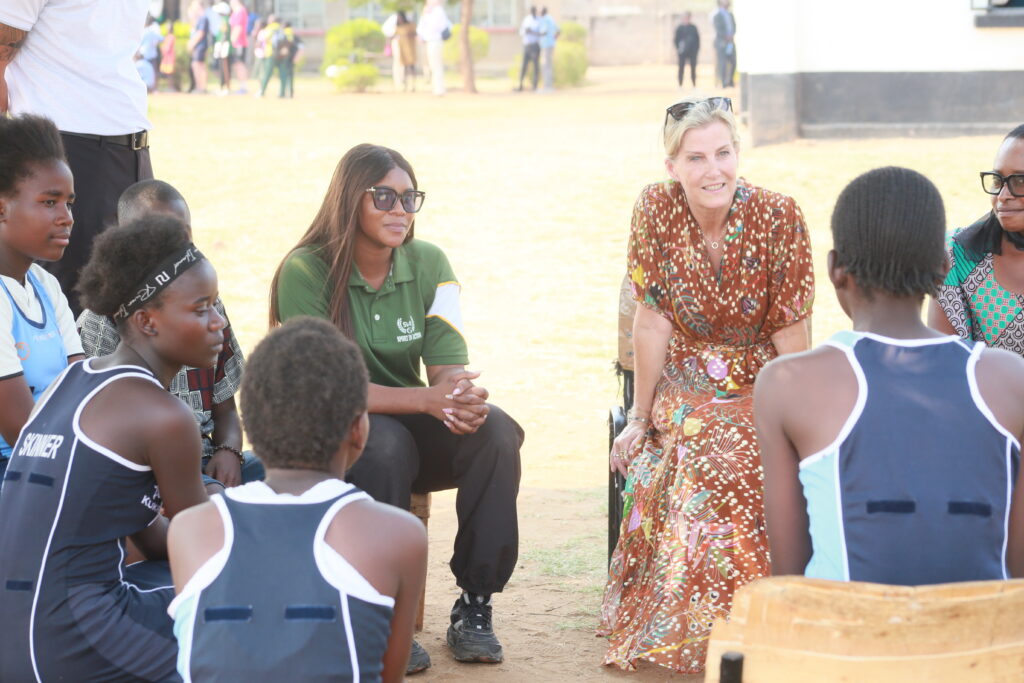
The hub-sites provide platforms through which young people can access sport and recreation while engaging with wider opportunities around life skills, leadership, volunteering and personal development. The impact is therefore seen not only in the activities taking place on the field, but in the relationships, confidence and opportunities that develop around them.
Strengthening people as well as programmes
The impact of Volunteer Zambia also extends to the coaches, volunteers and organisations involved. The partnership creates opportunities for students and staff from the Wallace Group universities to work alongside Sport In Action and local coaches.This creates a two-way exchange of knowledge and experience. UK students and staff gain practical experience working within Zambian communities, while local coaches and programmes benefit from new ideas, perspectives and skills.
Over time, these relationships have contributed to strengthening community sport and creating a network of people committed to using sport for development. The value of the partnership is therefore not simply measured by the number of volunteers who have participated. It is also reflected in the relationships built, knowledge shared and capacity developed over many years.
Keeping culture connected to young people
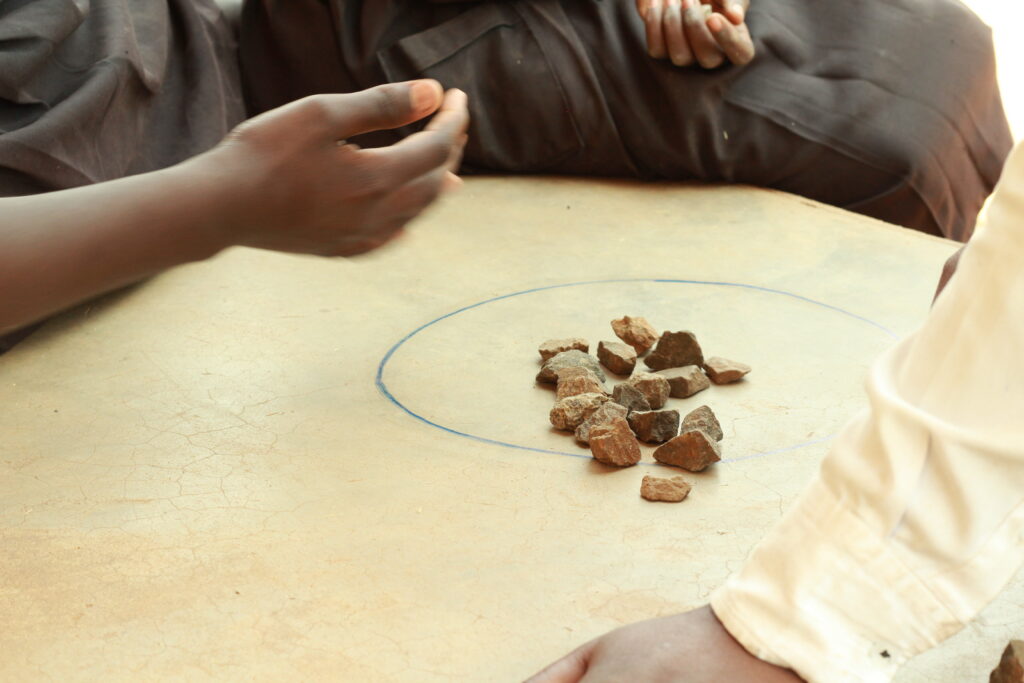
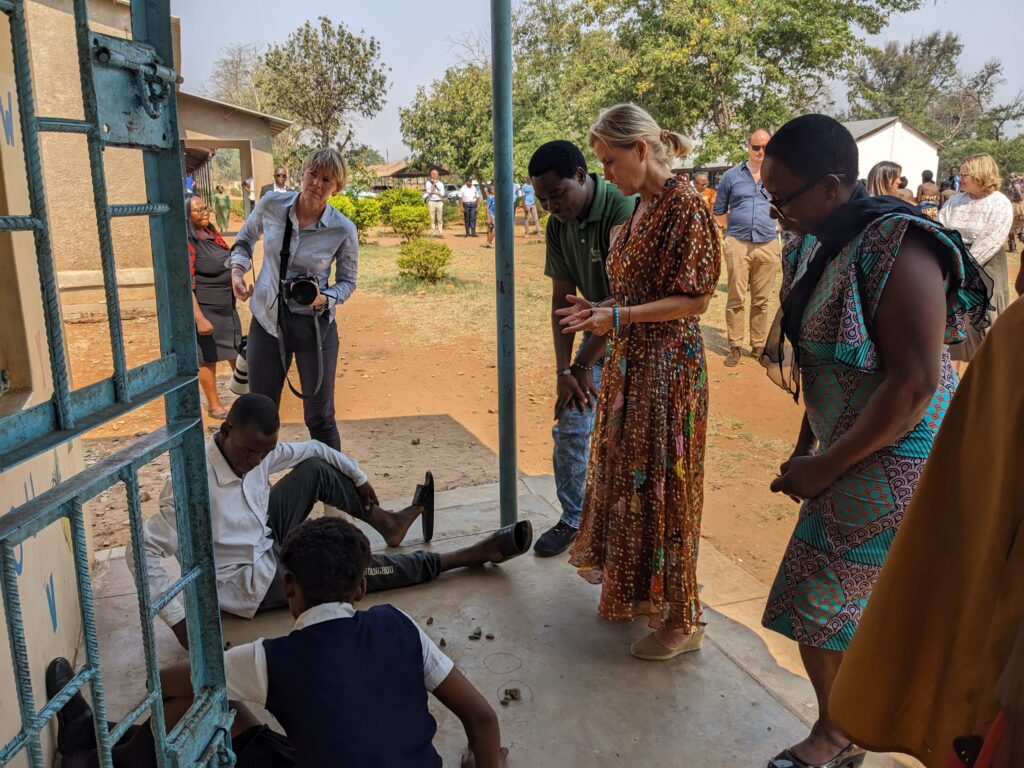
During the visit to Maramba, Sport In Action also showcased traditional Zambian games, including Nsolo, among others. The inclusion of traditional games was significant because development through sport is also about recognising the communities and cultures in which programmes operate. Traditional games provide opportunities for interaction, learning and play while keeping cultural practices connected to younger generations. At Maramba, traditional games were showcased alongside other sporting activities, demonstrating that community sport can bring together different generations, forms of play and approaches to development.
A community hub with a wider purpose
The Maramba Hub-site is part of Sport In Action’s broader commitment to using sport and recreation as tools for development. The organisation works with schools and communities across Zambia, creating opportunities for young people to live active and healthy lives while developing the skills and confidence needed to contribute to their communities. The hub-site approach provides a foundation for this work. It brings programmes closer to communities and creates spaces where young people, coaches, volunteers, partners and community members can interact. This is where international partnerships become tangible. An agreement between organisations in Zambia and the UK becomes a coaching session. Knowledge exchange becomes a new skill. A volunteer placement becomes support for a local programme. A sports activity becomes an opportunity for a young person to develop confidence.
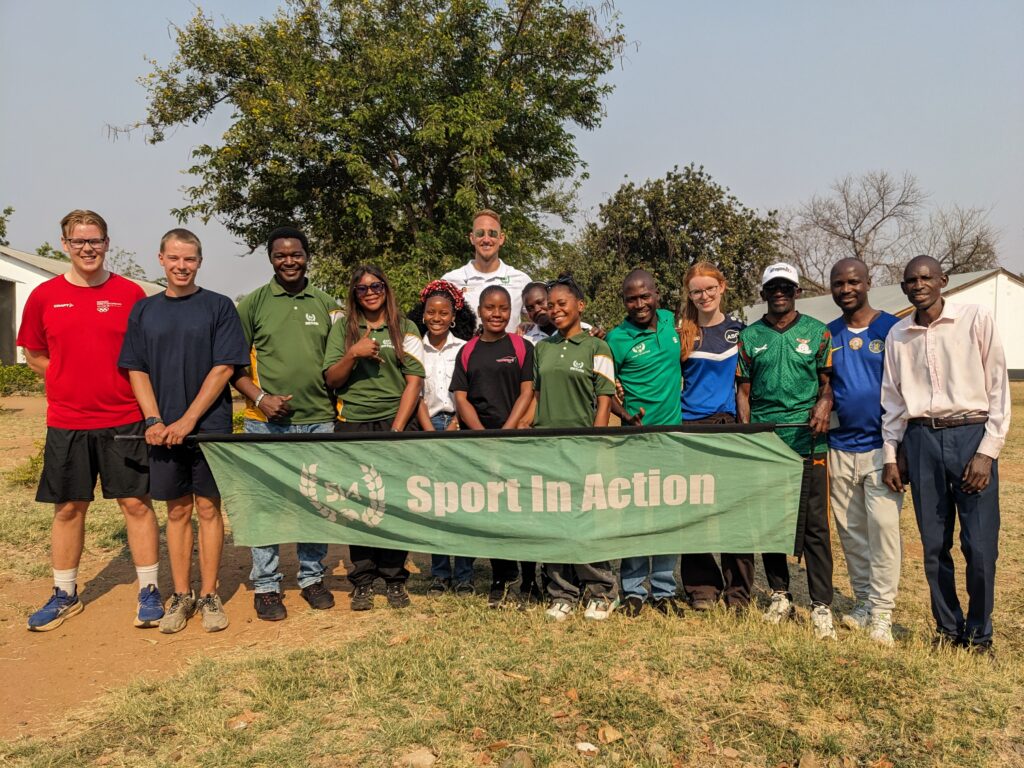
The relationship between Sport In Action and the Wallace Group universities has developed over more than 20 years.
What began as a partnership around sport has grown into a broader relationship involving volunteering, education, youth development and community engagement.
Volunteer Zambia continues to provide a platform for people from the UK and Zambia to learn from one another and work together within communities.
The long-term nature of the relationship is important.
Sustainable community development is not created through a single visit or activity. It is built through relationships, consistency, local ownership and continued investment in people.
The Duchess of Edinburgh’s visit provided a moment to recognise the people behind this work: the young people participating at hub-sites, the coaches who support them, volunteers who contribute their time and knowledge, community members who make programmes possible, and partners who continue to invest in long-term relationships.

Related Posts