Sport In Action is proud to celebrate a major milestone for the Duke of Edinburgh's…
Strengthening School Sports in Zambia: A Call for Structural Reform
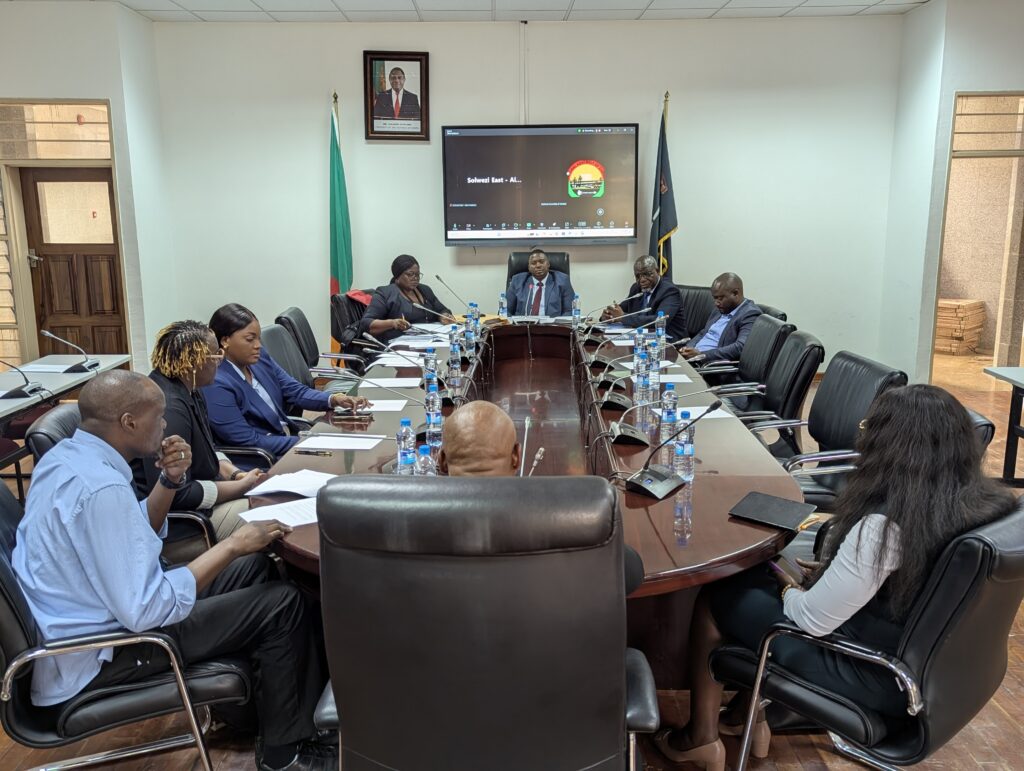
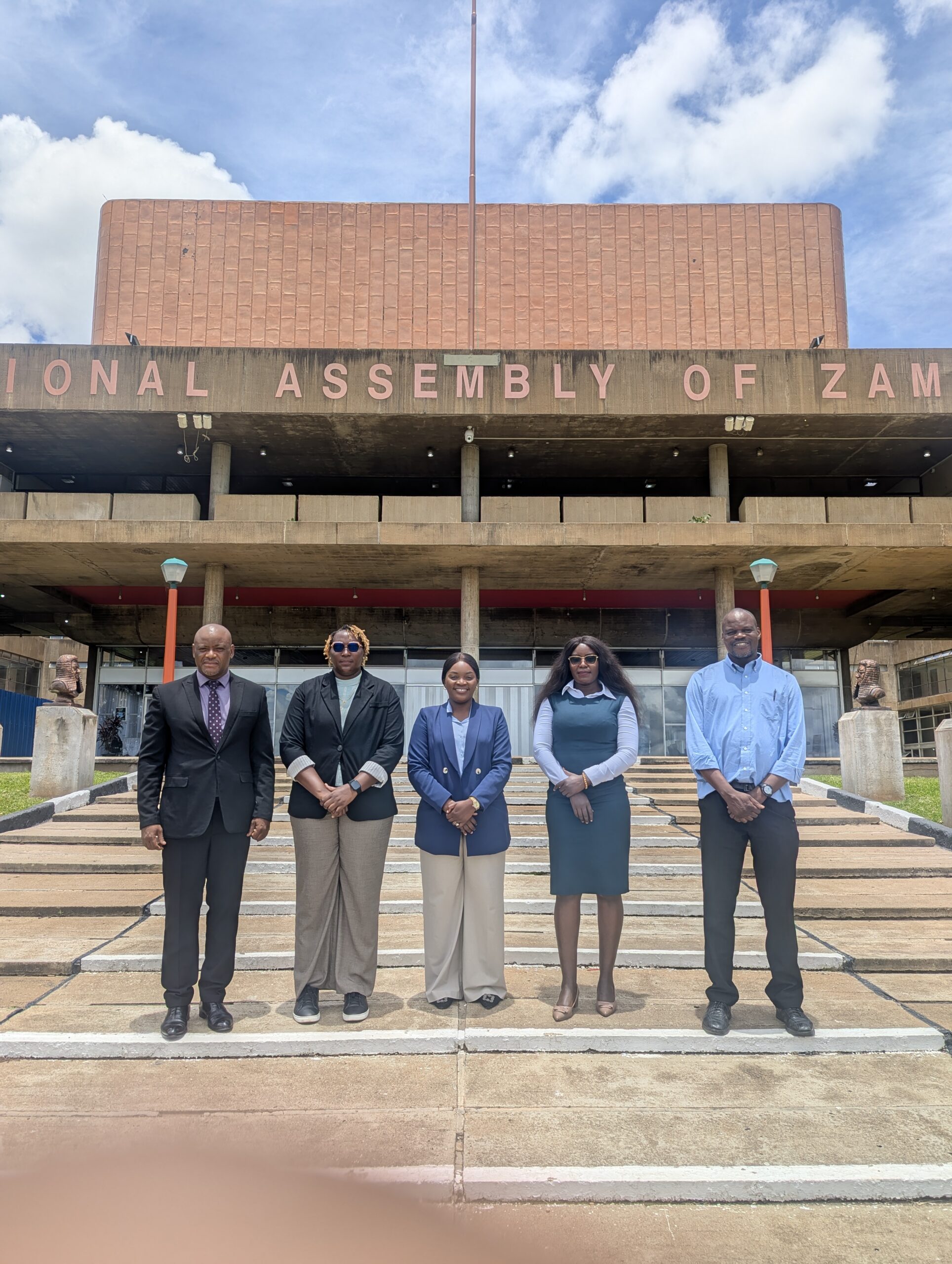
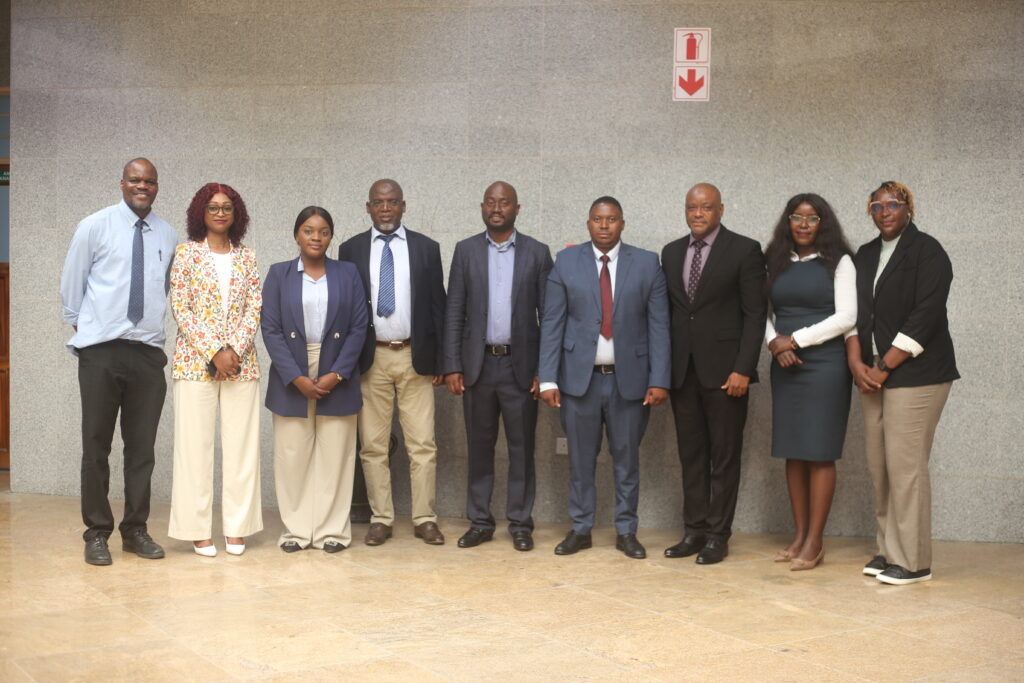
On 19th February 2026, Sport In Action presented a submission to the Committee on Youth, Sport and Child Matters on the state of school sports in Zambia.
The submission focused on one central issue. Zambia has strong policy commitments for school sport, but implementation gaps continue to limit impact.
School sport is not an extracurricular luxury. It contributes directly to physical health, mental well-being, academic performance, gender empowerment, and national talent development. When structured effectively, it strengthens both education outcomes and youth development.
However, several systemic challenges persist.
Key Gaps Identified
1. Weak Enforcement of Policy
While national policies mandate Physical Education and sport in schools, monitoring and enforcement mechanisms remain limited. In many cases, PE is treated as non-compulsory in practice. There is no dedicated high-level oversight within the Ministry of Education focused solely on school sport development.
2. Inadequate and Unequal Infrastructure
Many schools, particularly in rural and high-density areas, lack safe and purpose-built sports facilities. There are no enforced minimum infrastructure standards. Facilities often do not meet the needs of girls or children with special educational needs. This limits participation and undermines equity.
3. Absence of Dedicated Funding
There is no ring-fenced national financing mechanism for school sports. Schools rely heavily on user fees and local levies. This creates inequality, as under-resourced communities are unable to sustain meaningful sports programmes or participation in competitions.
4. Weak Development Pathways
There is no clearly structured national pathway linking school, district, provincial, and national levels. Coaching standards are inconsistent, and many schools lack trained Physical Education teachers. This affects both quality and long-term talent development.
The Way Forward
Sport In Action recommended practical and structural reforms, including:
Establishing a ring-fenced National School Sports Fund
Allocating protected infrastructure budgets within the Ministry of Education
Introducing minimum facility standards and annual audits
Strengthening coordination between ministries
Improving teacher and coach training
Creating a clear national school sport development pathway
These reforms are necessary to ensure equitable access, improve quality, and protect the long-term sustainability of school sports.
School sport is a platform for health, inclusion, life skills, and national development. With coordinated leadership and protected investment, Zambia can unlock its full potential for young people across the country.

Related Posts